High-Quality Modular Kitchens: Design and Installation Guide

Creating a modular kitchen is not just about aesthetics; it’s about functionality, efficiency, and maximizing space. With the rise in popularity of modular kitchens, homeowners are increasingly looking for ways to design and install these versatile spaces. This guide will walk you through everything you need to know about high-quality modular kitchens, from design principles to installation tips.
Understanding Modular Kitchens
What is a Modular Kitchen?
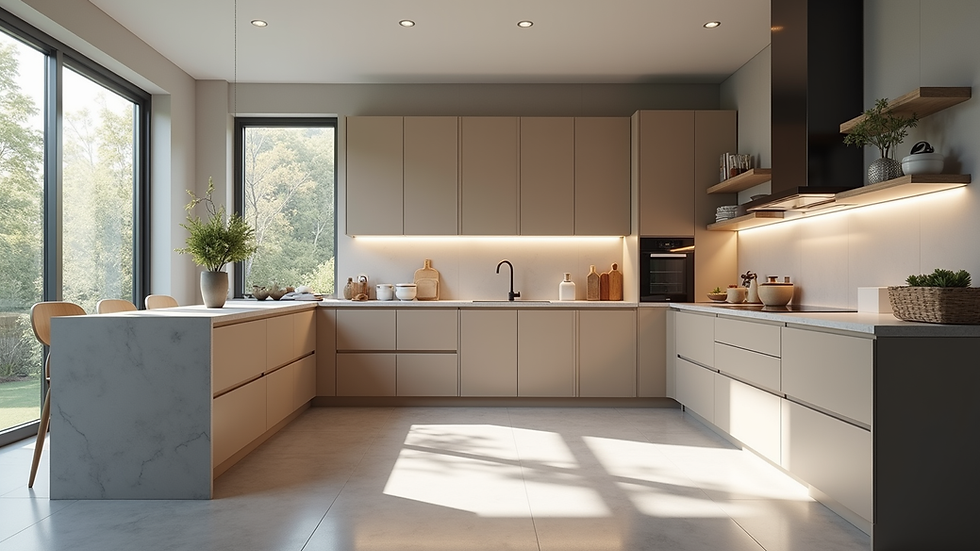
A modular kitchen is a pre-fabricated kitchen that consists of various modules or units. These units can be customized to fit the specific needs of your space and can include cabinets, countertops, and appliances. The modular design allows for flexibility and adaptability, making it a popular choice for modern homes.
Benefits of Modular Kitchens
Space Efficiency: Modular kitchens are designed to maximize space, making them ideal for both small and large homes.
Customization: Homeowners can choose from a variety of materials, colors, and finishes to create a kitchen that reflects their personal style.
Easy Installation: Modular kitchens are easier to install compared to traditional kitchens, often requiring less time and labor.
Cost-Effective: With a range of options available, modular kitchens can fit various budgets without compromising on quality.
Designing Your Modular Kitchen
Key Design Principles
When designing a modular kitchen, consider the following principles to ensure a functional and aesthetically pleasing space:
Work Triangle: The kitchen work triangle consists of the stove, sink, and refrigerator. This layout minimizes movement and enhances efficiency.
Zoning: Divide your kitchen into zones for cooking, cleaning, and storage. This organization helps streamline tasks and keeps the space clutter-free.
Lighting: Incorporate a mix of ambient, task, and accent lighting to create a well-lit and inviting atmosphere.
Choosing Materials
Selecting the right materials is crucial for both durability and style. Here are some popular options:
Cabinetry: Plywood and MDF are common choices due to their strength and versatility. For a more luxurious feel, consider solid wood or high-gloss finishes.
Countertops: Options like granite, quartz, and laminate offer different aesthetics and durability levels. Choose based on your cooking habits and maintenance preferences.
Backsplash: Tiles, glass, or stainless steel can add a stylish touch while protecting walls from moisture and stains.
Color Schemes and Finishes
The color scheme of your kitchen can significantly impact its overall feel. Here are some popular trends:
Neutral Tones: Whites, grays, and beiges create a timeless and spacious look.
Bold Colors: Deep blues, greens, or even black can add drama and personality.
Natural Finishes: Wood tones and earthy colors promote a warm and inviting atmosphere.
Installation Process
Preparing for Installation
Before installation begins, ensure that you have:
Accurate Measurements: Measure your kitchen space carefully to avoid any fitting issues.
Design Plan: Have a clear design plan that outlines the layout, materials, and finishes.
Permits: Check local regulations to see if any permits are required for your kitchen renovation.
Steps for Installation
Remove Existing Fixtures: Clear out the old kitchen fixtures and appliances to make way for the new installation.
Install Cabinets: Start with the upper cabinets, ensuring they are level and securely fastened. Follow with the lower cabinets.
Countertops: Once the cabinets are in place, install the countertops, ensuring they fit snugly and are properly sealed.
Appliances: Install appliances according to the manufacturer’s instructions, ensuring all connections are secure.
Finishing Touches: Add hardware, lighting fixtures, and any decorative elements to complete the look.
Hiring Professionals vs. DIY
While some homeowners may choose to install their modular kitchens themselves, hiring professionals can ensure a higher quality finish. Consider the following:
Experience: Professionals have the expertise to handle complex installations and troubleshoot potential issues.
Time-Saving: Hiring experts can save you time and reduce stress during the renovation process.
Warranty: Many professional installations come with warranties, providing peace of mind.
Maintenance Tips for Modular Kitchens
To keep your modular kitchen looking its best, follow these maintenance tips:
Regular Cleaning: Wipe down surfaces regularly to prevent stains and buildup.
Avoid Harsh Chemicals: Use gentle cleaners to avoid damaging finishes and materials.
Inspect for Damage: Regularly check for any signs of wear or damage, especially around appliances and plumbing.
Conclusion
Designing and installing a high-quality modular kitchen can transform your home, making it more functional and stylish. By understanding the principles of design, choosing the right materials, and following a structured installation process, you can create a space that meets your needs and reflects your personal style. Whether you choose to tackle the project yourself or hire professionals, a modular kitchen can be a valuable investment in your home.
Take the first step towards your dream kitchen today by exploring design options and consulting with experts in the field. Your perfect kitchen awaits!


Comments